

Enjoying a Calmer Side of Akihabara in June: Combining Hydrangeas, Street Strolls, and Street Kart Experiences for the Rainy Season
June in Akihabara reveals a slightly different face than usual. On top of its lively electric town vibe, the rain reflections and humid air bring out subtle details you might miss on sunny days. Sure, you’ll need to plan a bit more carefully than on clear days, but that’s exactly why this is a great time to mix indoor venues with street strolls. It’s an area where you can put together a packed yet meaningful sightseeing route, even in a short time.
Around Akihabara Station, you’ll find shopping complexes, restaurants, subculture shops, and access routes to historical spots all conveniently grouped together. That makes it easy to switch destinations even when the weather is unpredictable. Plus, nearby spots like Kanda Myojin Shrine and Yushima Seido offer a calm atmosphere that feels especially fitting during the rainy season. The way flashy neon and quiet stroll spots coexist within a relatively short distance is a unique characteristic of the Akihabara area.
In this article, I’ll walk you through some perspectives for enjoying Akihabara in June without overdoing it: how the city looks on rainy days, walkable spots nearby during hydrangea season, and how to weave in a street kart experience. For anything that needs verification as travel info, I’ll also point you toward the official sources.
Why June in Akihabara Suits Sightseeing Plans
When it comes to sightseeing during the rainy season, what matters most is whether you can cut down on long walks and easily switch between indoor and outdoor activities. On that front, Akihabara is hard to beat. With major shopping complexes right by the station and several attractions within walking distance, it’s an area where you can stay flexible no matter how the weather behaves.
Around the station, places like Yodobashi Akiba and Akihabara Radio Kaikan are easy to use as rain shelters, letting you adjust your timing while shopping or taking breaks. Meanwhile, even a short walk along Chuo-dori or near the Electric Town Exit lets you take in scenery you only get on rainy days: reflections off signage, wet pavement, and the way lights bounce off the streets after dusk. The visual atmosphere shifts noticeably from sunny days, which makes June especially appealing if photography is part of your plans.
Akihabara also has excellent train access, which adds practical flexibility when plans change. Even if the rain suddenly picks up, you don’t have to force yourself to stay outside; nearby facilities are easy to reach. During the rainy season, what matters isn’t the sheer number of attractions but how quickly you can pivot to your next option with a short move. Akihabara checks that box well.
The Akihabara Character That Shows Best on Rainy Days
Akihabara is often described as a city that’s bright day and night, but in June, the way light behaves changes the feel of the streets, softening their edges. Especially after dusk, moisture on the pavement reflects signage and traffic lights, giving the scenery a more layered, three-dimensional look than usual.
Along Chuo-dori, store signs and display lights bounce off the rain-slicked road, and even short stretches of street take on a different impression. Rather than emphasizing flashiness alone, the way colors seem to bleed through the humid air is what makes this season distinct. If you’re planning to take photos, it’s easier to walk and easier to notice the shifting scenery during light rain or right after a shower than during a downpour.
If you’re planning to be out from morning to evening, a realistic approach is to build your route around indoor venues and slip in street walks when the weather settles. June rain doesn’t always fall the same way all day, so a schedule you can revise hour by hour suits the season better than a fixed itinerary. Akihabara is an area where that kind of flexible operation is easy to pull off.
Spots Near Akihabara Worth Visiting During Hydrangea Season
If you want to capture the essence of June in your trip, it makes sense to include not just the buzz of Akihabara itself but also the quieter places nearby. Kanda Myojin Shrine, in particular, is easy to reach on foot from Akihabara Station and offers an atmosphere that feels distinctly different from the electric town. The greenery within the grounds and surrounding area takes on a moist, contemplative feel during the rainy season, making it an easy fit as a short stroll destination.
Yushima Seido is another solid option if you’re looking for some quiet time near Akihabara. The stone construction and green scenery hold up well under cloudy or rainy skies, making it easier to capture calmer photos that contrast with flashier tourist destinations. Since June rarely brings strong, harsh sunlight, the contrast between light and shadow softens, giving you more time slots when buildings and plantings are easier to view.
These spots pair nicely with shopping and dining around Akihabara Station, and they fit comfortably into half-day sightseeing plans. For example, you could explore the surrounding area in the morning and hit indoor venues in the afternoon, or do the reverse and take an evening stroll. Switching things up based on weather is straightforward. With June sightseeing, focusing on a few nearby spots tends to leave you more satisfied than trying to cram in lots of famous sites.
How to Think About Adding a Street Kart Experience to Your Akihabara Trip
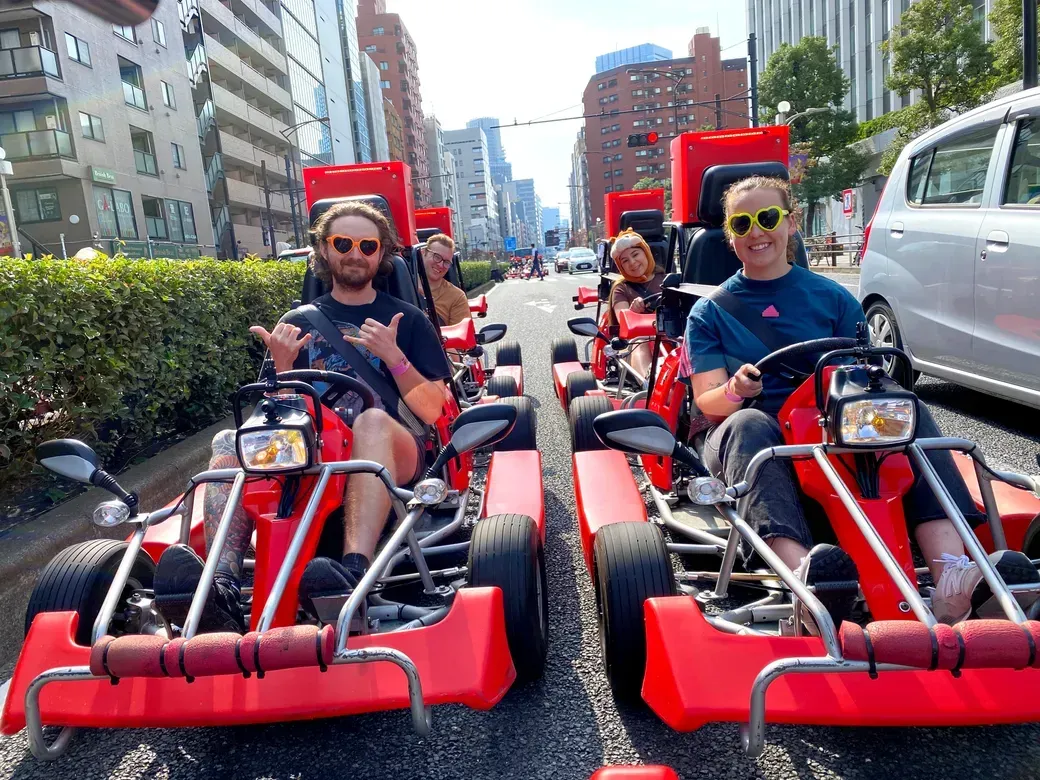
If you want to see Akihabara from a fresh perspective during your visit, a street kart experience is worth considering. According to the official site, the Akihabara course runs about an hour, departing from the Akihabara location and looping through Tokyo Station and the Ginza area. Seeing the city center from a vantage point that’s different from walking is one of the clearest features of this experience.
You can find the details on the official Akihabara page.
https://kart.st/akihabara.html
For a travel article, what matters is not leading with the appeal alone, but always pairing it with participation requirements and items to confirm. Since street karts are driven on Japanese public roads, participation requires a driver’s license valid in Japan or equivalent documentation. The official license guidance page covers required documents, conditions for international driving permits, and how applicable licenses and translation documents are handled.
Checking the license conditions is essential.
https://kart.st/en/drivers-license/
The official FAQ also notes that moped or motorcycle-only licenses don’t qualify, and includes information on insurance, coverage, and reservation changes. If you’re considering joining, reviewing the official FAQ before booking will help you avoid missing any details.
https://kart.st/faq
Practical Points to Confirm Before Joining
When you build a street kart experience into your itinerary, the first thing to confirm isn’t your reservation slot, it’s your participation eligibility and required documents. If a document issue surfaces on-site, you may not be able to participate, so before you head out, cross-check the official guidance against the documents you have. In particular, the conditions around international driving permits and translation documents shouldn’t be left to your own interpretation; follow what’s written on the official page.
For day-of logistics, plan to head to the location with time to spare. The official site explains arriving before your reservation time, the flow after check-in, and the pre-tour briefing. Cramming your sightseeing schedule too tightly makes it hard to recover from travel delays, so it’s easier to manage if you avoid stacking other plans within an hour before or after.
You’ll also want to confirm what to wear. The official page advises against heels, sandals, and long skirts. Since June rain often makes footing unstable, choose clothing that balances walking comfort with mobility while driving. If your day includes outdoor movement, think about a light layer, quick-drying fabrics, and non-slip shoes to keep the whole itinerary running smoothly.
A Sample Day in Akihabara in June
If you’re tackling Akihabara in a single day during the rainy season, building a sensible sequence helps you balance outdoor and indoor time. One approach: spend the morning on quieter walks in the surrounding area, the late morning to early afternoon in indoor venues, and the late afternoon to evening on street walks or pre-booked experiences.
In the morning, head toward Kanda Myojin or Yushima Seido and take in the greenery and calm scenery, and you’ll catch that distinctive June atmosphere. Around midday, head back near Akihabara Station and use indoor venues for meals or shopping while keeping an eye on the weather. In the afternoon, walk around Chuo-dori and enjoy the rain reflections and the way signage looks; that’s when the Akihabara character really comes through.
If you’re adding a street kart experience, it makes sense to anchor your plans around the reservation time. Considering check-in and travel time, it’s important not to head somewhere far right before your booking. When introducing this as part of an article, framing it broadly as “morning walks, afternoon experience” while leaving details to be adjusted based on weather and reservation status helps keep things practical without overcommitting.
Useful Items and an Approach for Rainy Days
In Akihabara in June, instead of going heavy on equipment, it’s more practical to choose items that are easy to swap out and quick to dry. A folding umbrella is convenient, but on days with lots of going in and out for street walks and shopping, a lightweight rain jacket adds mobility. Carrying too much makes moving through indoor venues harder, so keeping it to the essentials is the way to go.
For payments, while many shops in Akihabara accept cashless options, smaller stores aren’t always at the same level. Keeping a small amount of cash on hand makes it easier to handle situations at small dining or retail spots. As a travel article framing, it’s appropriate to keep it modest with phrasing like “some shops are cash only,” so readers don’t develop excessive expectations or anxiety.
Also, on rainy days, dealing with umbrellas at shop entrances can be awkward, so umbrella bags or a hand towel come in handy. These small bits of preparation don’t dramatically change the sightseeing experience itself, but they reduce the stress of moving around, which in turn gives you the mental room to take in the city. June in Akihabara is a season where small touches of preparation tend to affect comfort more than ambitious itineraries.
Wrap-Up
June in Akihabara isn’t just somewhere to escape the rain. It’s an area where you can enjoy both the convenience of indoor venues and the way the streets transform on rainy days. By weaving in calmer nearby spots like Kanda Myojin and Yushima Seido, you can pick up on a depth of local character that goes beyond the subculture-town image.
That said, when adding a street kart experience to your sightseeing plan, the right approach is to confirm participation requirements based on official information first, then connect it naturally to your Akihabara walks. Always check the official site for the roughly one-hour Akihabara course, the required license documents, and the day-of flow.
Here’s the official site.
https://kart.st/
Here’s where to confirm license conditions.
https://kart.st/en/drivers-license/
Akihabara during the rainy season is a time when it’s easier to plan a calmer kind of sightseeing than on sunny days. By making the most of the area’s easy indoor-outdoor switching and balancing street walks, seasonal scenery, and a street kart experience, you can put together a Tokyo trip that’s distinctly June.
A Note About Costumes
We do not offer rentals of costumes related to Nintendo or “Mario Kart.” We provide only costumes that respect intellectual property rights.
