
A Tokyo Sightseeing Guide to Walking Akihabara in June: Combining Hydrangeas, Street Strolls, and a Street Kart Experience
Akihabara in June shows a calmer face compared to peak summer or the New Year holidays. Early summer in Tokyo brings more rainy days, but that’s exactly why you can spot a kind of charm you won’t find on sunny days — the glow of neon and signs reflected on wet pavement, that slightly humid atmosphere, the lush greenery around the shrines. Akihabara is famous for its electronics district and pop culture scene, but walk just a little further and you’ll bump into historic shrines and quiet side streets, making it an easy area to plan a June stroll around.
For sightseeing in this season, instead of sticking only to indoor spots, the realistic move is to chain together short walking trips while keeping an eye on the weather. The area around Akihabara Station packs in shopping complexes, restaurants, and specialty stores for every hobby imaginable, with classic spots like Kanda Myojin Shrine nearby. When the rain picks up, hang out near the station; when it eases off or stops, take a walk around the area, and you’ll easily fold the unique mood of rainy season Tokyo into your sightseeing plan.
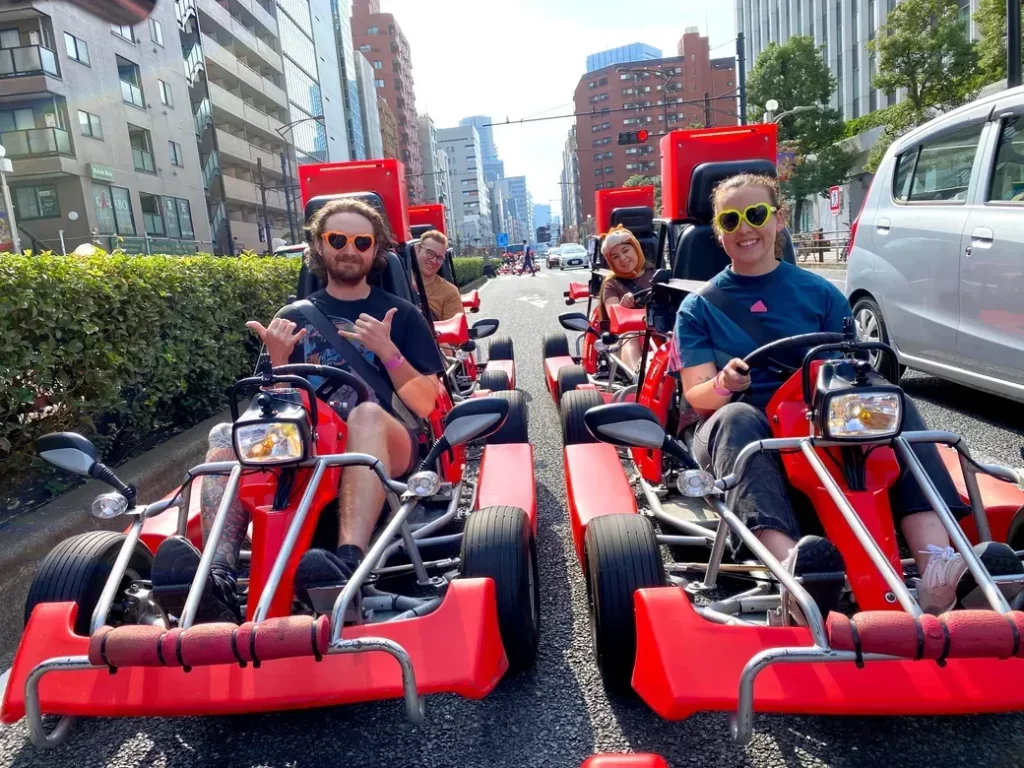
For travelers thinking about experience-based activities in Tokyo, the official street kart tour is another option worth considering. It lets you take in the city from a perspective totally different from walking or trains, so it’s worth gathering some info alongside your Akihabara plans. Since there are reservation conditions and participation requirements you’ll need to confirm, it’s important to check the official information ahead of time and build it into your plan rather than deciding on the spot.
Why Akihabara Is an Easy Pick for Sightseeing in June
When sightseeing in Tokyo in June, you’ll need to plan around rising temperatures plus humidity and rainfall. Akihabara is relatively easy to navigate in these conditions because facilities are packed close together around the station, and there are tons of options within walking distance. Electronics retailers, cafes, specialty shops, and shopping buildings are densely concentrated, making it easy to switch up plans when the weather turns.
Akihabara also has a personality that shifts noticeably between day and evening. During the day, it’s perfect for shopping and dining, while from evening into night the signs and lights multiply, and the rain heightens those reflections in dramatic ways. Even if you’re walking around just for photos, paying attention to how the scenery changes by time of day — rather than just hitting famous spots — tends to leave you more satisfied.
For trip planning, June can be less physically draining than midsummer on some days, but sudden rain can really slow your movement. So it helps to prep three layers of options around Akihabara: “indoor spots near the station,” “shrines and temples within walking distance,” and “short experience-based activities.” Rather than forcing yourself into long walks, it’s more realistic to connect stops every few hundred meters.
How to Walk Around Akihabara During Hydrangea Season
Akihabara itself is mostly an urban landscape, but look around its edges and you’ll find it easier to seek out those calm scenes that feel quintessentially June. Kanda Myojin Shrine is one of the classic walking destinations in the Akihabara area, and it’s a place where you can step away from the buzz of the electronics district and breathe a bit. It’s a quick stop centered around a shrine visit, and walking the surrounding hills and small streets adds welcome variety to your Akihabara trip.
In June Tokyo, you could also plan around large-scale hydrangea hotspots, but if you’re combining it with Akihabara sightseeing, the key is “don’t let travel time balloon.” Around Akihabara, just slowly walking shrine grounds and tree-lined paths after the rain stops is enough to count as a seasonal sightseeing experience. Bloom timing and plantings change year to year, so rather than fixating on a specific bloom volume, the right approach is to enjoy them as one element of your stroll.
For taking photos, the gentle rain or the moments right after the rain tend to be more workable than heavy downpours. Stone pavement, torii gates, wet streets, the reflections of streetlights — around Akihabara, the mix of human-made structures and nature naturally falls into the frame, making it easy to capture that rainy-season Tokyo feel. As a sightseeing piece, June Akihabara is easy to introduce not just as a shopping district, but as an area where the mood shifts within a short distance.
A Street Kart Experience to Consider Alongside Akihabara Sightseeing
When hunting for sightseeing experiences in Tokyo, walking, trains, buses, and taxis aren’t the only ways to take in the city. The official street kart tour is offered as an experience that involves driving on public roads, making it a strong contender for those wanting to see Tokyo from a different angle. You can find details on the official site at https://kart.st/.
Unlike a regular city walk, street karts come with conditions you’ll definitely want to check before participating. The most important is the driver’s license requirement — you need to bring valid original license documents recognized in Japan. Required documents differ depending on your departure point and the type of license you hold, so don’t try to figure this out yourself; check the official driver’s license page at https://kart.st/en/drivers-license/. There are cases where digital displays aren’t accepted and originals are required, or where additional documents are needed, so it’s much easier to plan when you check this during travel prep — not at booking time.
The official site also lists store info, booking flows, and contact methods. If you’re interested in the Akihabara area, the right move is to check routes, duration, business info, and meeting points based on what’s currently posted on the site. Since duration and details can change due to traffic or operational reasons, it’s also better — and safer from a compliance standpoint — to point readers to the official channels rather than locking those details into a blog post.
How to Think About Street Karts When Considering Tokyo in June
When planning outdoor activities during the rainy season, most people wonder, “Can I still fit it into my plan if it rains?” But this kind of info can shift based on weather, operational decisions, and same-day conditions, so we should avoid making blanket statements about whether you can participate. Actual operating conditions, what to bring, day-of guidance, and policies for changes or cancellations all need to be checked through the latest info on the official site.
With that in mind, the cleanest way to think about adding a street kart experience to your June Tokyo sightseeing is to treat it not as a “replacement for walking” but as “an experience that adds another perspective.” Walking Akihabara on foot draws your attention to the density of shops, the vibe of the alleys, and the ease of shopping. With an experience-based tour, the act of moving itself becomes part of the sightseeing, and you start to take in the Tokyo cityscape as a continuous flow of scenery. When introducing this in a blog, it’s more balanced to explain it as a difference in purpose rather than overhyping one over the other.
Also, since street karts run on public roads, participants are asked for more upfront prep than regular sightseeing. License documents, meeting time, attire, what to bring, and understanding the day-of briefing all need to be lined up before you book. Rather than deciding on a whim mid-trip, reading the official page before departure and confirming you can meet the requirements makes for a smoother plan.
Building a One-Day Itinerary Around Walking Akihabara
Sightseeing in Akihabara in June is more realistic when you switch goals by time slot rather than walking nonstop from morning to night. Start the morning at a cafe or shopping complex near the station while watching the weather, hit shopping and meals around midday, walk over toward Kanda Myojin in the afternoon, and enjoy the more night-flavored cityscape from evening onward — that flow makes it easier to adjust your route during the rainy season.
If you’re folding a street kart experience into your itinerary, it’s better not to cram things in immediately before or after. There’s the meeting time and document check to handle, so it works better to leave some breathing room rather than booking activities in another area right up to the last minute. If you head back to Akihabara for food or shopping after the experience, it slots naturally into the bigger Tokyo sightseeing flow.
When introducing this in an article, what readers want to know is “why Akihabara in this season” and “specifically how to combine things.” So instead of just listing famous spots, it works well to lay out — in a natural order — that you can alternate between indoor and outdoor stops, that there are calm places like Kanda Myojin to drop into, and that street karts are also worth comparing as an experience-based activity in Tokyo.
Practical Points to Keep in Mind for June Akihabara Sightseeing
During Tokyo’s rainy stretch, what’s on your feet and how you handle your bags directly affects how comfortable your sightseeing is. Akihabara is mostly paved and easy to walk, but on rainy days the area around the station and intersections can feel slippery. If you’re planning long walks, waterproof shoes and quick-drying clothes will make moving around easier. Beyond a folding umbrella, lightweight rainwear that frees up both hands is also worth considering.
For payments, most major stores support cashless options, but some places will still want cash. If you’re planning to hit smaller shops, don’t rely solely on digital payments — keeping a bit of cash on hand makes things smoother. Given that you might need to duck into shelter from sudden rain or change plans mid-trip, it’s also handy to know where coin lockers at the station and rest spaces in shopping complexes are.
If you’re booking a street kart, double-check your documents the day before and follow the prep steps listed on the official site. License requirements especially vary by traveler, so don’t rely on generalizations like “it was fine on my last trip” or “my friend had no issues” — verify based on the current official guide. As a blog article, conveying this point clearly is what makes it actually useful.
Wrap-Up: June Akihabara Is a Great Time to Rethink the Mix of Walking and Experience Planning
Akihabara in June is an area where you can enjoy a different kind of sightseeing than the kind you’d cram into a sunny day. The view of the rain-soaked electronics district, the calm air around Kanda Myojin, the abundance of indoor facilities making it easy to move around — all of this layers up into a place where you can build a workable itinerary even during the rainy season. Soaking in hydrangeas and the early-summer atmosphere while pairing Akihabara’s urban scenery with the quiet of its surroundings is a perspective unique to this time of year.
On top of that, if you’re hunting for experience-based activities in Tokyo, checking the official street kart info gives you more material to make decisions on. Refer to the official site at https://kart.st/ for details, and check https://kart.st/en/drivers-license/ about license requirements ahead of time. Once you’ve got your required documents and operating info sorted, it becomes easier to consider as an option that adds another perspective to Akihabara sightseeing.
For a Tokyo trip in June, instead of trying to dodge the unstable weather, the useful mindset is adjusting your range of movement while enjoying how the city’s appearance shifts. Akihabara works really well with that mindset — it’s one of those sightseeing destinations where you can use a single area as your home base for everything from city walks to shrine strolls to shopping, and even gathering info on a street kart experience.
A Note About Costumes
Our store does not rent out costumes related to Nintendo or “Mario Kart.” We only offer costumes that respect intellectual property rights.

