

Enjoying Akihabara in June at a Relaxed Pace: A Tokyo Sightseeing Guide Combining Rainy Season Streetscapes with Street Kart Experiences
Akihabara in June shows a different face from the season of strong sunlight. Electric signs reflect off rain-soaked pavement, and during this time of year, the bustle around the station and the calm around nearby shrines coexist easily within the same area. While temperatures begin to rise, the humidity and shifting weather typical of the rainy season also make it easier to plan sightseeing that alternates between indoor and outdoor spots.
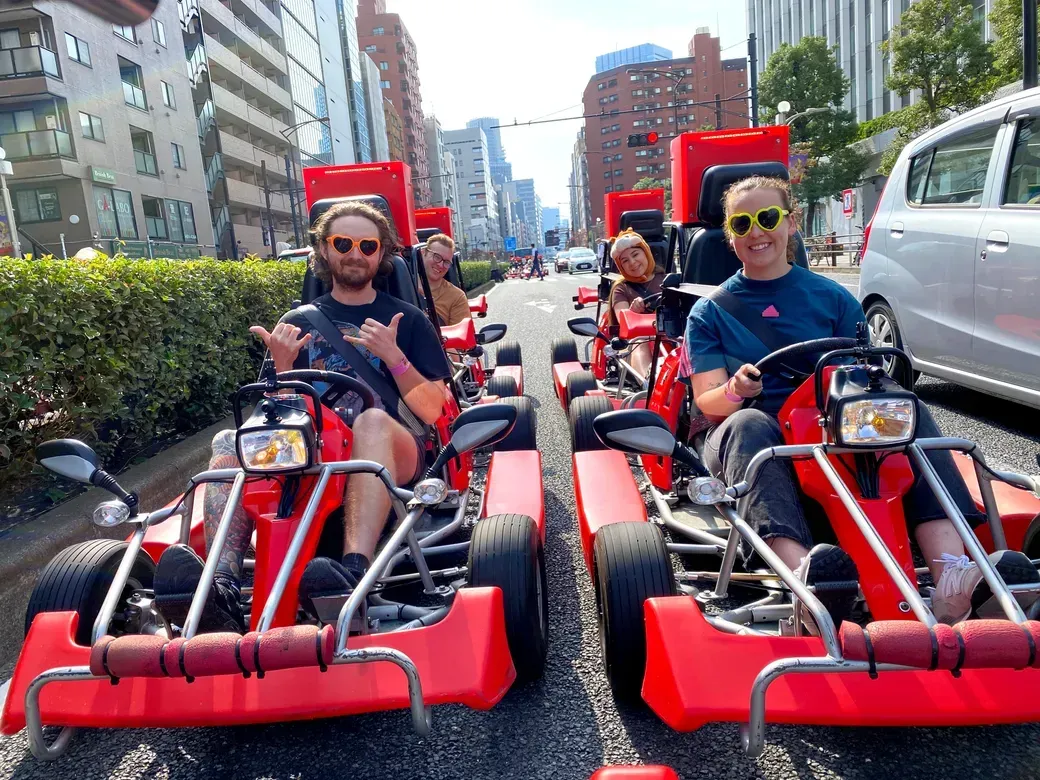
Akihabara is best known for its electronics district and anime-related shops, but within walking distance you’ll also find historic spots like Kanda Myojin Shrine. In June, the impression of the area can change significantly depending on how you piece together your walk. It works just as well for shopping-focused visits as for photography-minded strolls, and even in a short time, you can feel that distinctly Tokyo density. Adding a street kart experience to your itinerary, on top of walking, makes it easier to create time with a different perspective on the same Akihabara. Being able to view streetside scenery that’s easy to miss on foot, or the reflections of light after rain, from a different angle is one option worth considering for Tokyo sightseeing in June.
Why Akihabara in June Fits Easily into a Sightseeing Course
When sightseeing in Tokyo during the rainy season, having a travel plan that isn’t easily disrupted by weather becomes important. In that respect, Akihabara is an area where large stores, specialty shops, restaurants, and indoor facilities all gather around the station, making it easy to rework your plans even if rain suddenly falls. Even on days when spending long hours outdoors is difficult, you can move on to your next stop with only a short walk, making it an easy area for travelers to navigate.
Akihabara in June is also a time when subjects for photography differ from those on sunny days. The light of signs reflected on asphalt and sidewalks, ads on building walls, the flow of people moving past with umbrellas — these urban scenes unique to rainy days become easier to capture. Beyond just nighttime, the way light appears on overcast afternoons also shifts, offering plenty to see during daytime walks. Especially the area from around the station to Chuo-dori contains a lot of visual information even over short distances, making it easy to feel Akihabara’s character even with limited time.
That said, June brings high humidity, and temperatures can climb depending on the day. Rather than walking continuously for long periods, it’s more practical to take indoor breaks along the way. A flow such as exploring around shrines or the surrounding area in the morning, shopping in the afternoon, and enjoying the city’s scenery from evening onward suits Akihabara during the rainy season.
Nearby Spots for Those Who Want Hydrangeas and Quiet Strolls
The area around Akihabara can’t be summed up by the electronics district alone. One spot worth keeping in mind for June is Kanda Myojin Shrine, which is within walking distance from the station. While it’s often introduced as a standard part of Akihabara sightseeing, during the rainy season the greenery within the shrine grounds and surrounding area takes on a damp, atmospheric look, making it easier to feel an air distinct from that of the electronics district. Whether you’re visiting primarily to pay your respects or stopping by during a walk, the location makes it easy to adjust your timing.
The area around Kanda Myojin Shrine is well-suited to both strolling and photography on days without too much rain. Wet stone paths and buildings in calm tones create an impression different from the visual liveliness of the area in front of Akihabara Station. In June, the green of the plants appears deeper, and with the seasonal touch of hydrangeas added in, it’s a great stop for anyone who wants to weave a bit of quiet time into their urban sightseeing.
Walking further to include the surrounding slopes and side streets reveals that Akihabara isn’t merely a shopping area, but a district where historical elements and modern streetscapes sit close together. In rainy-season Tokyo, places like this — where the atmosphere shifts within a short distance — make itineraries easier to plan, and represent a practical strength of Akihabara sightseeing in June.
How to Incorporate a Street Kart Experience into June Tokyo Sightseeing
If you want to add some variety to your Akihabara sightseeing, a street kart experience is worth considering. By setting aside time to view Tokyo’s scenery from the road, separate from your time walking through the city, your impression of the same area can change. June especially is a time when the look of the urban landscape shifts easily, both during the day and at night, due to rain-soaked pavement and humid air. The signs and buildings you look up at while walking feel different from the streetscapes that come into view while driving, making it easier to add contrast to your sightseeing experience.
Details and reservation information for street karts can be checked on the official site at https://kart.st/. The official site lists store information, reservation pathways, and details about what’s offered, making it the appropriate place to check before your visit. Routes, duration, and the specifics of what’s offered on the day may vary by season and store, so rather than judging based on general impressions alone, it’s more reliable to check the actual reservation page and information beforehand.
Since June brings significant weather changes, it’s easier to make adjustments if you place indoor plans before and after a street kart experience. For instance, if you slot in commercial facilities or cafes around Akihabara Station before and after the experience, your overall itinerary is less likely to fall apart even during heavy rain. In rainy season sightseeing, how you connect the time before and after an experience — not just the experience itself — tends to affect satisfaction, so areas like Akihabara with many options are easier to plan around.
License Requirements and Basic Information to Check Before Participating
When considering a street kart experience, the first step is checking the license requirements. The official license guidance page is https://kart.st/en/drivers-license/. It provides information on driving credentials valid in Japan. Since how required documents are handled varies by user category, it’s practical to confirm this early on, before your trip departs.
The official site indicates that a Japanese driver’s license valid in Japan, an International Driving Permit, or other required documents depending on conditions may be required. It also notes that participation isn’t possible if you can’t bring the required original documents on the day. The most important thing for travelers is to sort out, in advance: “Can I obtain it before departure?” “Are originals required?” and “Do my documents meet the eligibility conditions?” Building your itinerary on vague understanding could affect your entire trip.
The official FAQ also covers general participation conditions and insurance information. Rather than learning the details for the first time on-site, it’s easier to plan if you’ve completed your check before booking. Especially in the rainy season, when weather considerations also factor in, it’s more efficient to handle document checks and schedule checks together rather than separately.
Practical Tips for Comfortable Akihabara Sightseeing in the Rainy Season
In Akihabara during June, your clothing and gear preparation directly affect how easy your sightseeing will be. First, having a lightweight rain jacket in addition to a folding umbrella can reduce the burden during travel. Akihabara has many indoor facilities, but you’ll also find yourself making short trips between stations repeatedly, leading to a lot of opening and closing your umbrella. Clothing that lets you use both hands easily helps keep your shopping or photography flow uninterrupted.
For shoes, it’s practical to consider not just water resistance but also slip resistance. Tiles around stations, underground passageways, and entrances to commercial facilities can shift in feel on rainy days, and walking long distances on them can lead to fatigue. In Tokyo sightseeing in June, how well you handle wet floor surfaces — rather than walking distance itself — affects perceived comfort.
Regarding payment, while major stores often support cashless payments, having some cash on hand can be useful in certain situations. This isn’t unique to Akihabara, but it’s a practical preparation for sightseeing that involves visiting multiple stores in a short time. Additionally, waterproofing your smartphone and bringing a portable battery are important. Many travelers rely on a single device for map checking, translation, reservation confirmation, and photography, so device management becomes a higher priority on rainy days.
How to Think About Building a June Akihabara Model Plan
For Akihabara sightseeing during the rainy season, rather than committing to a single outdoor activity from morning to night, combining multiple elements works better. A flow like surrounding strolls including the Kanda Myojin area in the morning, indoor facilities or meals around midday, shopping in the afternoon, checking out a street kart experience if timing works, and enjoying the city’s scenery from evening into night is easy to put together. This kind of plan adjusts well to weather changes and makes it easier to capture the city’s June shifts.
Especially in the time after rain, scenery characteristic of Akihabara becomes easier to see. Even before the sky fully darkens, signs, car lights, and building illumination begin to reflect off the pavement, bringing out an urban feel unique to the rainy season. Walking strolls alone offer plenty to see, but if you’re seeking another perspective, there’s room to add a street kart experience to your itinerary after checking the official information. For reservations and detailed information, refer to https://kart.st/, and check participation requirements at https://kart.st/en/drivers-license/ as the basic approach.
Summary
Akihabara in June, precisely because rain is frequent during this time, is an area where the city’s appearance takes on noticeable variation. With elements like the bustle of the electronics district, the calm around shrines, the reflective light after rain, and the abundance of indoor facilities all gathered close together, it’s an area where planning is easy even for rainy season Tokyo sightseeing. Adding a street kart experience on top of walking around makes it easier to incorporate time viewing the same Tokyo from a different angle.
What matters is not deciding on plans based on impressions alone, but preparing based on official information. For street kart experiences in particular, check the official kart.st site and the license guidance page before booking, and plan after grasping the required documents and day-of conditions. Akihabara in the rainy season is one Tokyo sightseeing option suited to those who want to enjoy not just visual flash, but the texture of a city that changes with the weather.
A Note About Costumes
Our store does not rent out costumes related to Nintendo or “Mario Kart.” We provide only costumes that respect intellectual property rights.
