

Enjoying Akihabara in June at a Relaxed Pace: A Tokyo Travel Guide Combining Rainy-Season Streetscapes, Hydrangeas, and Street Kart Experiences
June in Akihabara is a time when the bustle of spring quietly settles down, and the rain-soaked streets reveal a unique character. When most people picture a Tokyo trip, they imagine sunny days, but Akihabara during the rainy season offers attractions you can only find at this time of year. Think of the electric town’s neon glow reflecting off wet pavement at dusk, hydrangeas scattered throughout the surrounding neighborhoods, and the street kart experience known as a public-road sightseeing activity.
This article is for travelers considering a June visit to Akihabara. We’ll take a measured, objective look at strolling the streets on rainy days, hydrangea spots, how to plan your route, and key points based on information from the Street Kart official website. Read on as a practical guide if you want a clear sense of what’s actually enjoyable about Tokyo during the rainy season.
Why Akihabara Is Easy to Explore in June
Akihabara has a strong outdoor image, but in reality the area around the station is packed with large commercial complexes, electronics retailers, specialty shops, and restaurants. It’s a neighborhood where you can move in short hops, making it easy to spend time comfortably. When the rain picks up, you can stay indoors; when it eases off, you can switch to exploring the surrounding area. That kind of flexibility is a real plus for June travel.
Akihabara also connects well to Kanda, Ochanomizu, and Nihonbashi, so you can reach neighborhoods with very different atmospheres on foot or with a short train ride. Beyond the energy of the electric town, you’ll find shrines, historical buildings, riversides with bridges, and old-school dining streets. In half a day to a full day, you can compare several distinct sides of the city.
While the rainy season brings days with heavy cloud cover, that very condition makes neon signs and shop displays stand out more vividly, and from evening into night you’ll find more photo-worthy moments. If you’re someone who enjoys a moist, atmospheric urban landscape rather than the open feel of a clear day, this season suits you well.
The Akihabara Streetscape That Emerges on Rainy Days
In central Akihabara, from the Electric Town Exit area along Chuo-dori, raindrops linger on shop signs and glass surfaces, softly diffusing the city lights. During the day, sign colors look slightly deeper, and after sunset, the reflections on the pavement add another layer, creating an impression quite different from your usual stroll.
If you’re walking the streets in June, the afternoon-to-evening hours tend to work best. Spend daytime on shopping or indoor browsing, and head outside in the evening while keeping an eye on the rain. This approach helps you manage temperature swings and crowds. Right after the rain stops, sidewalk reflections look especially sharp, and even a smartphone can capture striking urban scenes.
That said, some spots get slippery during the rainy season, so footwear with stable soles is a smart choice. Sneakers or waterproof shoes that handle wet pavement work better than sandals. Since this is a neighborhood full of electronics, having a folding umbrella plus a small waterproof pouch makes getting around easier.
Working Hydrangeas into Your Akihabara-Area Stroll
The combination of “Akihabara” and “hydrangeas” might sound unexpected, but if you walk a little from the station, you’ll find spots where you can experience the floral scenery typical of June. Don’t end your itinerary at the electric town alone—venturing into the calmer surrounding areas adds depth to your sightseeing impression.
A representative example is the Kanda Myojin Shrine area. Within walking distance of Akihabara Station, it offers an atmosphere just removed from the urban buzz. In June, the greenery around the shrine grounds deepens, and on rainy days, the colors of the stone paths and shrine buildings settle into a calmer palette. Rather than a major hydrangea-viewing destination, think of it as a stop that adds a touch of seasonal feeling to your urban sightseeing—just the right scale.
Another easy choice is the Yushima Seido area. It fits naturally into a route from Akihabara toward Ochanomizu and offers a quiet ambiance surrounded by trees. On rainy days, foot traffic tends to settle, creating a striking contrast with the area in front of Akihabara Station. It’s well-suited for travelers who want to take in a historic side of Tokyo alongside early-summer plant life, without flashy tourist staging.
For photography, the soft morning light or the moments right after rain eases up tend to work best. Water droplets cling to petals and leaves, so even close-up shots capture the seasonal feel. Rather than making hydrangeas the main subject, framing them as “moments of June Tokyo discovered during Akihabara sightseeing” tends to make for a more cohesive trip record.
How to Think About Adding a Street Kart Experience to Your Itinerary
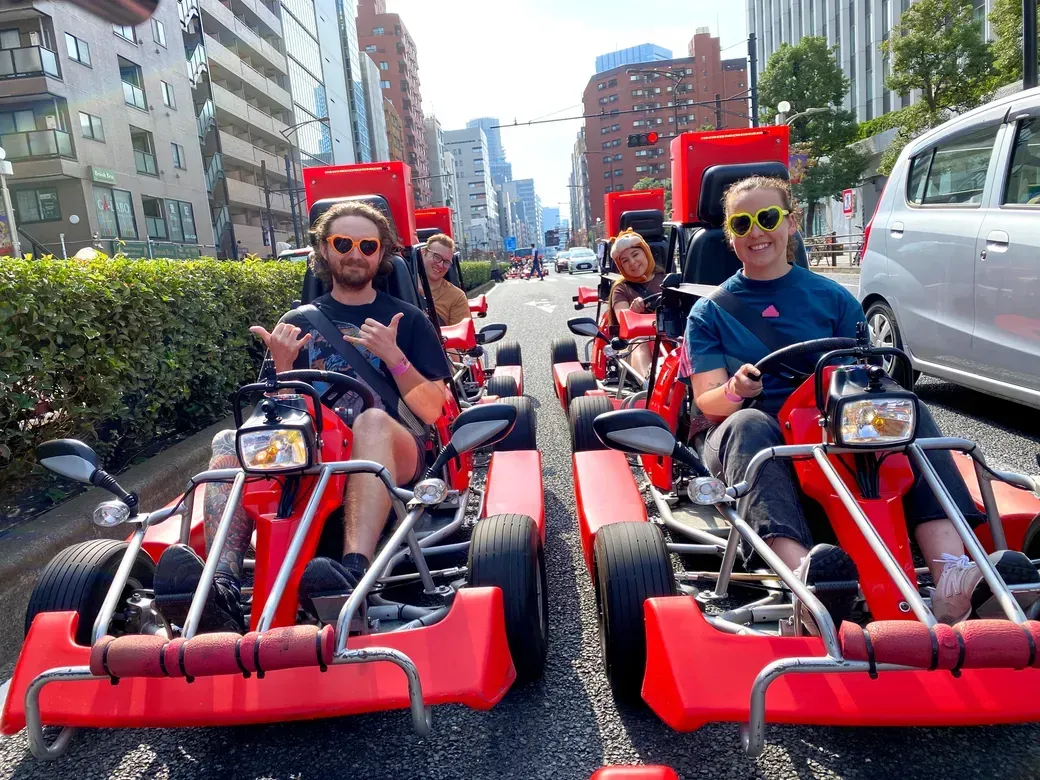
If you want to add some variation to Akihabara sightseeing, the street kart experience is one option to consider. The Street Kart official website provides shop information for Tokyo, Osaka, and Okinawa, and lists “Akihabara #1” and “Akihabara #2” for the Akihabara area. According to the official site, the Akihabara course runs about one hour, with a route that travels from Akihabara to Tokyo Station, through the Ginza area, and back to the shop.
Adding time to view Tokyo’s streets from public roads to a day of walking and shopping is an effective way to shift the impression of your Akihabara visit. June especially is a season when the look of the city changes day to day depending on the sky’s color and pavement reflections, so you can really feel time-of-day differences even within the same downtown area. Spending the daytime shopping or enjoying cafes in Akihabara, then fitting the experience in around early evening, sets up a nice structure for comparing how the city’s expressions shift.
The official site notes that the activity may run regardless of weather conditions, but also mentions you can check with the shop if you’re unsure. Since June rain varies considerably, checking the latest guidance before and after booking makes it easier to adjust your plans.
License Requirements to Confirm Before Participating
If you’re considering the street kart experience, the top priority is confirming your driving credentials. License requirements can be checked on the official driver’s license guide page. The page outlines the necessary documents based on your situation: a valid Japanese driver’s license, an International Driving Permit issued under the 1949 Geneva Convention format, or a license from a designated country/region accompanied by a Japanese translation.
It’s tempting to treat this as a casual part of Akihabara sightseeing, but the official site clearly states that participation isn’t possible if the required documents are missing. International Driving Permits, in particular, must be obtained before traveling to Japan—not after arrival—so checking before departure is critical. The required combination of documents differs by country and region, so rather than relying on general travel information, reviewing the latest guidance on the official page is the practical move.
On the day, you’ll need to present originals, so don’t assume images on your smartphone will suffice. Along with how you carry your passport and license, prepare a way to keep documents from getting wet on rainy days for peace of mind.
Akihabara Shop Information from the Official Site
On the Street Kart official website Akihabara page, you can also check shop locations and approximate walking times from stations. Akihabara #1 is at 4-12-9 Sotokanda, Chiyoda-ku, Tokyo, listed as about a 7-minute walk from JR Akihabara Station’s Electric Town Exit, or about 3 minutes from Suehirocho Station. Akihabara #2 is at 4-16-7 Kanda Sakumacho, Chiyoda-ku, Tokyo, listed as about an 8-minute walk from JR Akihabara Station’s Showa-dori Exit.
This information is helpful when planning your rainy-season itinerary. Since you can stay within close range of the station, even on days with heavy luggage or unpredictable rain, it’s relatively easy to plan your movements. If you’re staying at a hotel near Akihabara Station, you can head to the shop after dropping off your bags, and the flow into dinner afterward is also easy to arrange.
The official site also notes that you should arrive 30 minutes before your reservation. June can bring train crowding and weather-related delays, so it’s wise to give yourself extra time. Beyond just the walking time from station to shop, checking the location of the ticket gate and the correct exit in advance helps reduce stress on the day.
A Model Itinerary for Akihabara Sightseeing in June
For a relaxed June Akihabara visit, the following flow is realistic.
In the morning, head toward Kanda Myojin or Yushima Seido. If the rain is light, take a walk through the hydrangeas and the quiet surrounding streets. Around midday, return to the area near Akihabara Station and shift to indoor time at electronics retailers, hobby shops, cafes, and retro gaming stores. In the afternoon, walk around the Chuo-dori area while taking breaks, and if the weather holds, fit in the street kart experience. Afterward, from evening into night, head to dinner while taking in the rain-soaked electric town scenery.
The advantage of this structure is that it’s easy to swap content based on weather changes. If heavy rain hits in the morning, do indoor activities first and shift the walking portion to the afternoon. When booking the street kart experience, working backward from your meeting time to plan surrounding movements helps the entire Akihabara visit settle into a calm rhythm.
Practical Items and Tips for the Rainy Season
In June Akihabara, having a light rain jacket in addition to a folding umbrella is helpful. With just an umbrella, you end up making extra movements every time you enter and exit shops or take photos. In a neighborhood where you make many short trips, a wearable rain layer is more practical in many situations. Choosing quick-drying clothing also helps you handle the muggy heat.
For payments, Akihabara has many cashless-friendly shops, but some smaller stores accept cash only. Even if you’re not making big purchases, keeping a small amount of cash on hand for food or small items helps keep things moving.
Also, on rainy days, umbrella stands are often placed at shop entrances. While this is a tourist-heavy area, each shop handles things differently, so following the entrance signage or staff guidance is the safe bet. Since you’ll likely be carrying electronics or paper documents, keeping items separated in waterproof pouches inside your bag makes organization easier.
June in Akihabara Is Where You Can Savor “Tokyo Visible Because of the Rain”
June in Akihabara differs slightly from the flashy impression of clear-sky days. The light tinged with humidity, the colors, the gentler walking pace, and the quiet of the surrounding areas all linger in memory. Just walking through shrines and historic sites while viewing hydrangeas, then returning to the electric town, gives you a full sense of the range of urban sightseeing. Adding a street kart experience to your itinerary brings in another perspective—viewing central Tokyo’s scenery from the public roads.
For reservations and details, refer to the Street Kart official website, and check license requirements in advance through the official driver’s license guide. If you’re considering Akihabara as a candidate for June Tokyo sightseeing, going beyond simply avoiding rain and instead incorporating rainy-season scenery into your itinerary will shift how the city looks to you.
A Note About Costumes
Our shop does not rent Nintendo or “Mario Kart”-related costumes. We offer only costumes that respect intellectual property rights.
