

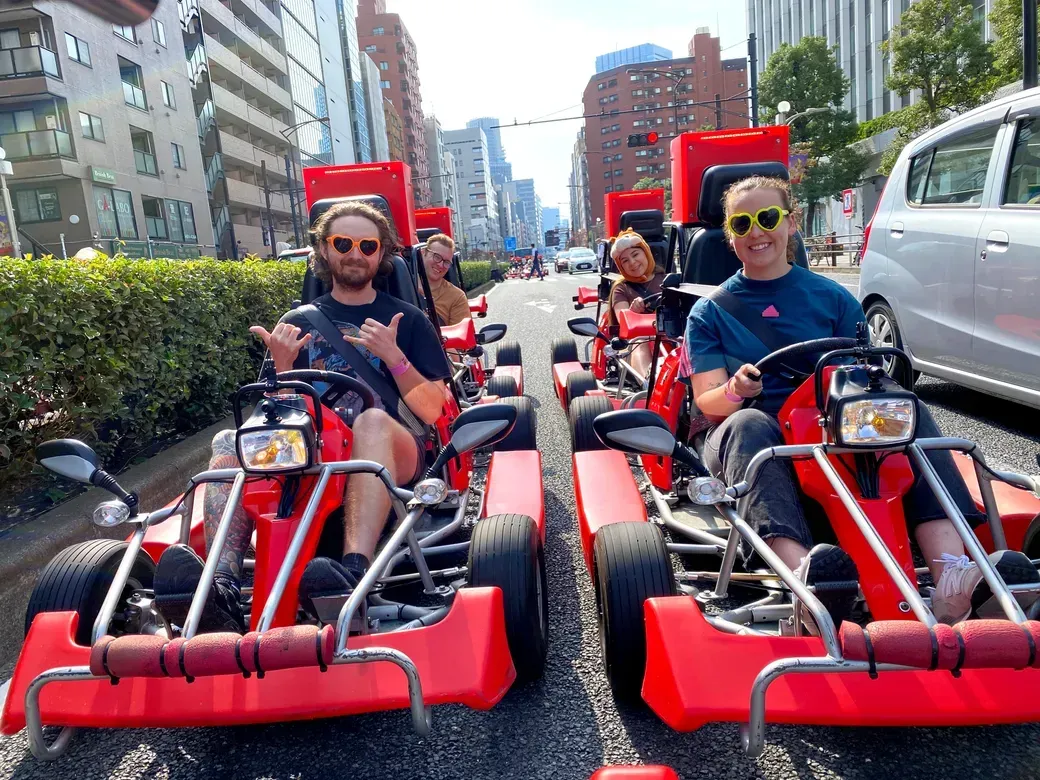
Soaking in Akihabara’s June Atmosphere: Hydrangeas, Street Walks, and Street Kart Adventures Through Tokyo’s Rainy Season
June in Tokyo is that quiet stretch when the spring tourist rush winds down and the city’s mood softens just a little. When most people hear “Akihabara,” they picture electronics shops, anime culture, and bustling streets — but during the rainy season, the neighborhood reveals a completely different side of itself. Neon lights shimmer on rain-soaked pavement, and the moment you step into a side alley, the greenery around shrines and historical sites takes on a deep, glistening richness. The calm scenery you can only catch in this season leaves a different kind of impression compared to a bright sunny day, and that’s part of what makes Tokyo memorable.
What makes the area around Akihabara especially appealing is how indoor venues and outdoor walking spots are clustered close together, making it easy to adjust your plans based on the weather. If a quick shower passes through, you can duck into a nearby shop or café; once it lightens up, you head back out and continue exploring. That kind of flexibility is exactly what June calls for. And if the timing works out, slipping a street kart tour into your itinerary lets you experience the cityscape from a completely new angle — a great way to add some variety to your Akihabara adventure.
In this article, we’ll take a relaxed, practical look at what June in Akihabara feels like, where you can spot hydrangeas nearby, and how a street kart experience might fit into the day.
Why June in Akihabara Works Surprisingly Well for Travelers
It’s true that rainy days come more often during Tokyo’s rainy season. But that doesn’t automatically make it a bad time to visit. Akihabara is packed with large stores, specialty shops, restaurants, and gaming spots all clustered around the station, so it’s an easy area to plan around even when it’s pouring. You don’t have to spend hours walking outdoors to enjoy yourself, which makes it relatively traveler-friendly — especially if it’s your first time in Tokyo.
June also doesn’t carry the harsh, relentless sun of midsummer, so you tend not to burn through your energy as quickly when moving around for long stretches. Sure, it’s humid, but compared to the layered heat-management you need in July and August, many travelers find it easier to dress for and pack for. Throw a rain layer in your bag and you can comfortably mix walking with indoor stops without overdoing it.
Akihabara’s appeal goes well beyond shopping and pop culture. A short walk takes you to historical spots like Kanda Myojin Shrine or the calm scenery along the Kanda River. The way old and new coexist so naturally within a single neighborhood is one of the area’s real draws. In June, the humidity softens the colors a bit — signage, streetlights, and rain-glossed pavement all combine to create an atmosphere unique to the season. For travelers who love photography, this is a great time to find subjects you simply wouldn’t see on a sunny day.
Spots Around Akihabara Where You Can Catch a Bit of Hydrangea Season
Akihabara itself has a strongly urban feel, but within walking distance — or just a short hop away — you’ll find places where June’s character really comes through. They aren’t necessarily famous flower destinations, but the value here is in the quiet way you brush up against the season as you wander.
Kanda Myojin Shrine
One of the standout spots within walking distance of Akihabara Station is Kanda Myojin Shrine. Known as one of the protective shrines of old Edo, it draws a steady mix of tourists and local worshippers. The grounds feel open, and the surrounding greenery, stone steps, and the deep colors of the main hall blend especially well with rainy weather, giving it a calm, contemplative feel during the rainy season. Depending on timing, hydrangeas can add splashes of color to the surroundings, offering a quietness that feels worlds away from the buzz of the electronics district.
Mornings tend to be calmer with fewer visitors, which is great if you’re hoping to take photos. Right after rain, water lingering on the stone paths and leaves can make colors look richer and deeper. Even a brief stop here can bring a real sense of season to your Akihabara visit.
Around Yushima Seido
Heading just a bit toward Ochanomizu, the quiet atmosphere around Yushima Seido suits a June walk beautifully. Its mostly black architecture set against surrounding greenery is striking, and on rainy or overcast days, the contrast creates a stillness you don’t get in the city center. Step off the main road and your pace naturally slows — it’s the kind of place to switch gears mid-day during your Akihabara explorations.
The Kanda River and the Backstreets
These aren’t flashy tourist landmarks, but the views along the Kanda River and the side streets around Akihabara hit that June mood perfectly. The water surface after a passing shower, the cityscape framed from a bridge, glowing signage diffused through the slightly damp air — it’s the kind of urban rainy-season character you only get in places like this. If you’d rather soak in the atmosphere and play of light than rush from one big destination to the next, this kind of slow walk fits the season well.
Considering a Street Kart Experience in June Around Akihabara
If you’re looking to add some variety to your Akihabara sightseeing, a street kart experience is one option worth considering. Unlike walking or taking the train, you really feel the flow and scale of the city, and Tokyo’s urban scenery opens up from a different angle. Even during the wetter months, you can decide whether to participate based on the day’s weather and operating conditions, which gives you flexibility when fitting it into your itinerary.
For details about street kart tours and reservations, you can check the official site at kart.st. It’s a good idea to look over the tour options, store information, and conditions of use before your visit so you have a clear sense of how things work.
The first thing to confirm if you’re considering joining is your driving credentials. A license valid in Japan is required, and travelers can’t always participate using just their home country’s license. Required documents and which license categories qualify vary by country and region, so it’s best to check the latest conditions on the official license guidance page at https://kart.st/en/drivers-license/. Looking this up before your trip makes it much easier to adjust your plans once you arrive.
If you’re thinking about doing this in June, working with the weather matters. The rainy season can bring days of steady rain, and other days where it falls in short bursts and clears up just as quickly. Streets after rain reflect more light, which can actually transform the look of Akihabara’s signature neon and signage. That said, whether tours operate and under what conditions can come down to a same-day decision, so reading through the advance information and leaving a bit of buffer in your schedule is the safer move.
What makes the street kart experience special is that instead of seeing tourist spots as isolated points, the journey itself becomes part of how you experience Tokyo. You’ll notice roadside scenery and shifts in neighborhood vibe that are easy to miss from a train, and that makes it a worthwhile activity for travelers who want to bring home a real impression of the urban character around Akihabara.
Thinking Separately About Rainy Days and Post-Rain Hours
When sightseeing in June, splitting your behavior pattern based on weather makes everything less stressful. On days when it’s pouring from the morning, start with indoor venues and shift to shrines or outdoor walks once the rain calms in the afternoon. Akihabara is forgiving in this regard — you can hang around near the station and adjust your moves based on what the sky’s doing, which is a real plus when forecasts are unreliable.
Walking the city in the rain is mostly about visibility and managing your stuff. Umbrellas are useful, but if you’re taking photos or checking maps as you walk, a light rain jacket might be easier to deal with. Waterproof shoes make walking far more comfortable, and bringing extra socks helps cut down on fatigue during long days of sightseeing. If you’ll be using your phone a lot for navigation or photos, a simple waterproof pouch is also handy.
The hours just after rain are some of the best for capturing classic Akihabara scenery on camera. As evening approaches and the city’s lights start to take over, the wet pavement reflects them and the whole place looks completely different from how it does in daylight. You don’t need to hunt for dramatic compositions — intersections, alleys, rows of signs, people waiting at crosswalks, all of it generates that distinct urban atmosphere. If you’re carrying a camera, a fast lens or a smartphone with a solid night mode helps a lot.
Practical Tips for Travelers
Akihabara sees plenty of international visitors, so most major stores accept card payments and electronic methods. That said, smaller shops sometimes only take cash, so keeping a reasonable amount of yen on hand makes things smoother. During the rainy season you’ll often shift plans on the fly and pop into a nearby café or small store, so having multiple payment options is just practical.
For getting around, mixing JR and Tokyo Metro lines from Akihabara Station gives you easy access to the surrounding area. Kanda Myojin, Ochanomizu, and the Yushima area are all walkable from each other, but on heavy rain days, don’t push yourself to walk straight through — even short hops by public transit make the day far more comfortable.
When it comes to clothing, in Tokyo’s June you have to think about humidity, not just temperature. Even when it’s not particularly hot, it can feel sticky, so quick-drying materials really help. Indoor air conditioning can also be on the strong side, so carrying a light layer to throw on makes things easier to fine-tune.
Experiencing June in Akihabara as a Tokyo with Real Seasons
Akihabara is best known for its lively energy on bright sunny days, but in June, you can take it in at a slightly slower pace. Rain-soaked streets, the greenery of shrines and historic spots, seasonal flowers, and a mobile, immersive activity like the street kart experience — when you combine these elements, you end up with time that feels much richer than just shopping or passing through.
When you travel, the weather doesn’t always cooperate. But the area around Akihabara is built to handle that — you can plan around it. Indoor and outdoor, history and modern culture, quiet places and busy streets all sit within short distances of each other, which makes it a great entry point for understanding Tokyo during the rainy season.
If you’re thinking of visiting Akihabara in Tokyo this June, don’t measure your trip only by sunny-day expectations — let rainy days and post-rain scenes become part of your travel story too. If you’re considering a street kart experience, check the official site kart.st and the license guide at https://kart.st/en/drivers-license/ ahead of time, and build a relaxed plan that works with the day’s weather. Doing so makes it much easier to feel both the quiet charm specific to Akihabara in June and the wider possibilities of sightseeing across the city.
A Note About Costumes
Our store does not offer rentals of costumes related to Nintendo or “Mario Kart.” We provide only costumes that respect intellectual property rights.
